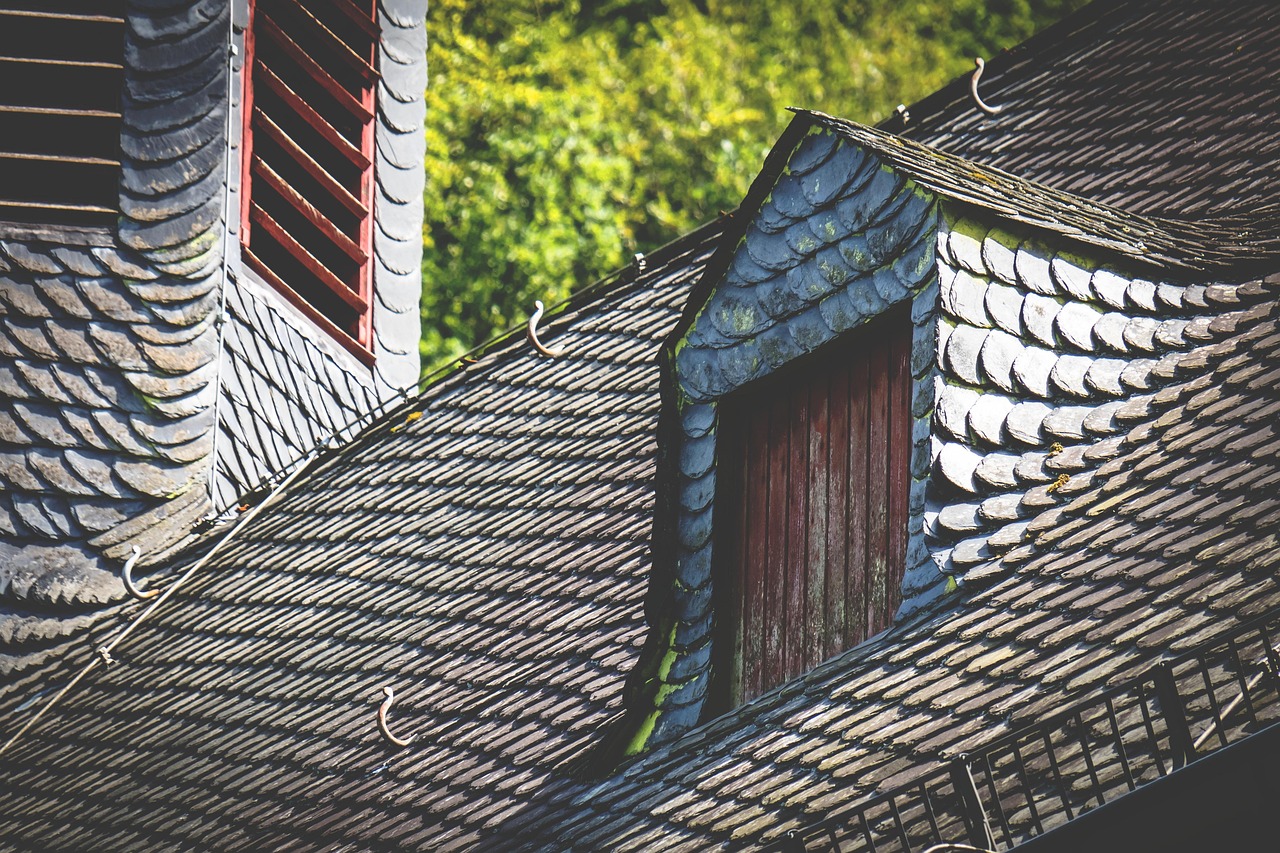
The Tampa environment is a precious resource, and one key area of concern is the impact of roofing materials on our ecosystem. Shingle roofing, a common choice for Tampa homeowners, presents both challenges and opportunities in terms of environmental sustainability. The problem lies in the fact that many traditional shingle types contribute to waste and pollution, impacting local ecosystems and climate. However, there's a promising solution: exploring eco-friendly shingle alternatives that can minimize the environmental footprint of Tampa shingle roofing while offering durability and affordability. This article examines these solutions, providing insights for Tampa homeowners and experts alike to make informed, sustainable choices.
- Evaluating Tampa Shingle Roofing's Material Choices
- Understanding Local Climate's Impact on Roofs
- Life Cycle Assessment: Shingles in Tampa's Environment
- Sustainable Practices for Shingle Installation in Tampa
- Shingle Waste Management: A Tampa Perspective
- Energy Efficiency and Shingle Roofing in Tampa
- Case Studies: Successful Green Roof Transformations in Tampa
- Community Impact: Shingle Roofing's Role in Tampa's Green Initiatives
Evaluating Tampa Shingle Roofing's Material Choices
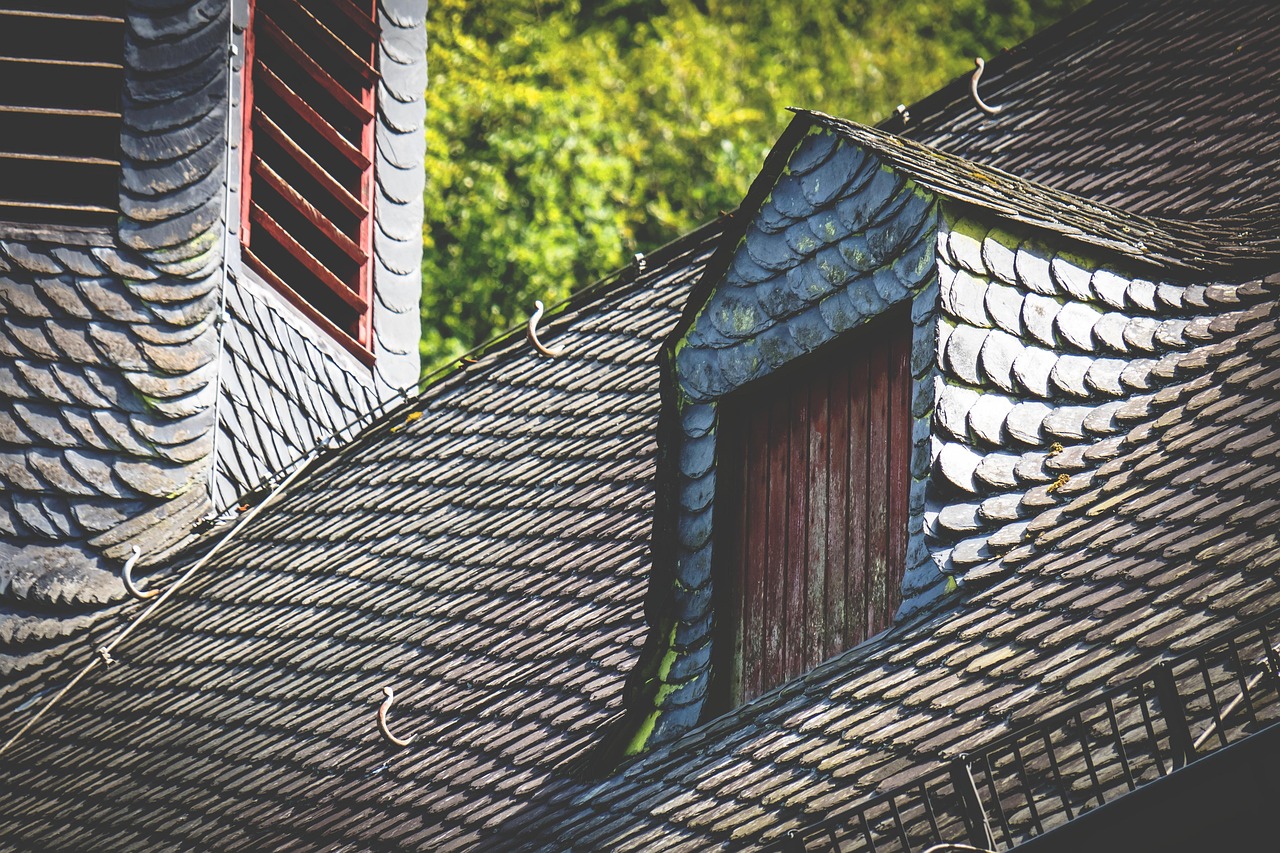
Evaluating the environmental impact of roofing materials is crucial for Tampa homeowners looking to make sustainable choices. In Tampa, where homes often face the harsh effects of weather, understanding the life cycle of various shingle roof types is essential. Shingle roofing, for instance, offers a range of options beyond the traditional asphalt shingles, each with unique characteristics that can influence both the look and environmental footprint of a house.
Local Tampa roofing experts often recommend considering shingle roof colors as a key factor in energy efficiency. Lighter-colored shingles reflect sunlight, reducing heat absorption and potentially lowering cooling costs. This is particularly important in the Tampa climate, where summers can be scorching. Darker shingles, while offering a more dramatic aesthetic, can contribute to a home's internal temperature rise. A study comparing typical asphalt shingles to metal roofs found that the latter can significantly decrease roof temperature, thereby decreasing the load on air conditioning units.
Beyond color, the type of shingle itself plays a role. Asphalt shingles, the most common in Tampa, are known for their affordability and ease of installation. However, they are also non-recyclable and contribute to landfill waste. In contrast, metal roofs-a growing trend in Tampa homes-offer a longer lifespan, are highly recyclable, and can be designed to resemble traditional shingles. They also provide superior protection against strong winds, which is a significant concern during Tampa storms. When considering a new roof or replacement, homeowners should weigh these factors to make an environmentally conscious decision that aligns with their home's unique needs.
Understanding Local Climate's Impact on Roofs
The environmental impact of roofing materials is a significant consideration for any homeowner, and Tampa homeowners are no exception. In this region, understanding the local climate's influence on roofs is crucial for making informed decisions. The Tampa area, with its warm, humid climate, presents unique challenges and opportunities for various roofing materials.
Asphalt shingles, a common choice for Tampa shingle roofing, have a lower environmental impact than many realize. They are recyclable, with many manufacturers offering recycling programs for old shingles. Asphalt's relatively low production cost translates to a more cost-effective Tampa shingle option for homeowners. However, the material's longevity in the region's intense sunlight and humidity requires regular maintenance. Top-quality installation and periodic inspections by the best Tampa shingle roofers can extend the life of asphalt shingles, minimizing waste.
In contrast, metal roofs are another popular choice, known for their durability and longevity. They can withstand extreme weather events, common during Tampa storms, without the risk of tearing or cracking. However, metal roofing can be more expensive upfront. To balance the cost with durability, homeowners can consider nearby shingle roof replacement services that offer budget-friendly options, ensuring their roofs stand the test of time and the region's climate.
The local climate also underscores the importance of choosing the right shingle style. Flat or low-sloped roofs, for instance, may be more prone to water damage in heavy rainfall, necessitating specific design considerations. By understanding these factors, Tampa homeowners can make environmentally conscious choices, selecting materials that not only protect their homes but also contribute to the region's sustainability.
Life Cycle Assessment: Shingles in Tampa's Environment
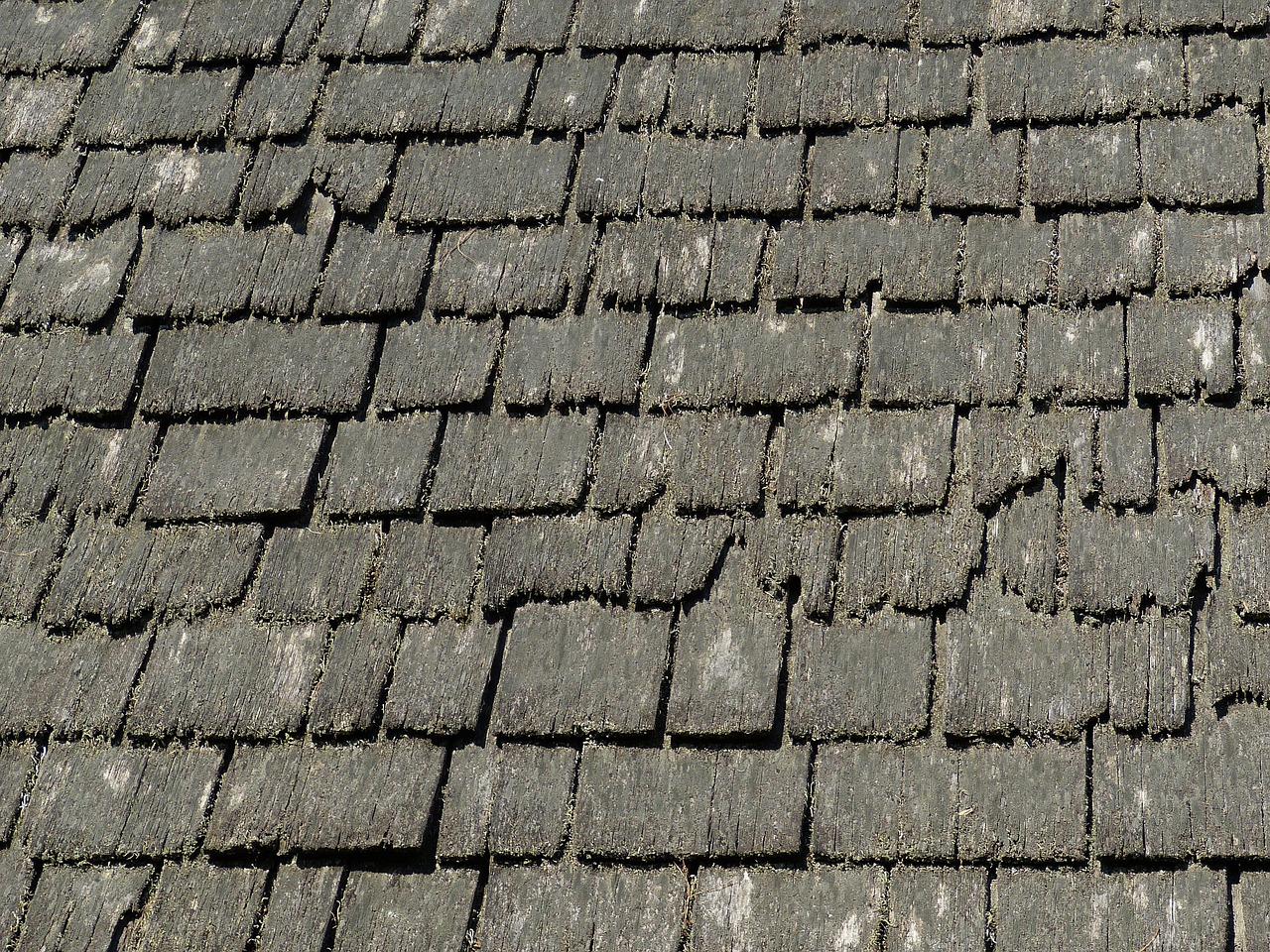
The environmental impact of roofing materials is a critical consideration for any homeowner, and Tampa homeowners are no exception. For Tampa shingle roofing, a Life Cycle Assessment (LCA) provides valuable insights into the ecological footprint of these materials. LCA evaluates a product's environmental effects from raw material extraction through production, transportation, installation, and end-of-life disposal.
In Tampa, where the climate is characterized by hot, humid summers and mild winters, shingle roof maintenance is essential. Asphalt shingles, a common choice among Tampa homeowners, have a significant environmental impact. Their production requires substantial energy and contributes to greenhouse gas emissions. However, modern manufacturing processes are becoming more efficient, leading to a reduction in the carbon footprint of shingles. Proper disposal and recycling of shingles can mitigate their environmental harm. Local Tampa roofing experts emphasize the importance of responsible disposal, ensuring that shingles don't end up in landfills.
Cost-effective Tampa shingle options exist that balance affordability with sustainability. Recycled asphalt shingles offer a budget-friendly alternative that reduces the demand for new materials. Many Tampa roofing services now incorporate these eco-friendly options into their offerings, responding to the growing demand for environmentally conscious building practices. By choosing the right shingles and working with reputable local roofing experts, Tampa homeowners can contribute to a more sustainable future while maintaining the durability and aesthetic appeal of their homes.
Sustainable Practices for Shingle Installation in Tampa
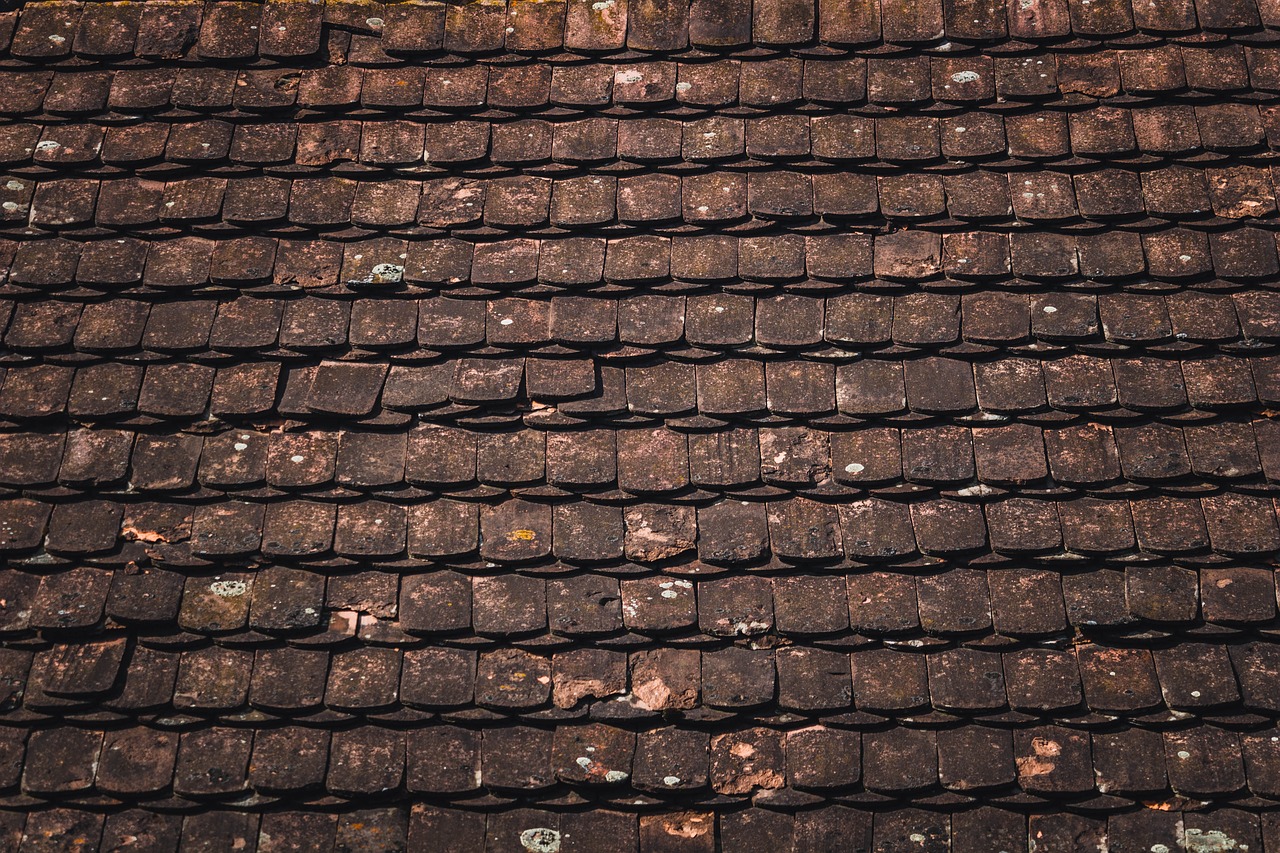
In Tampa, the choice of roofing materials significantly impacts both the aesthetics and environmental footprint of homes. For sustainable practices for Tampa shingle roofing, installation methods and material selection play a crucial role. Homeowners and roofing experts alike are increasingly prioritizing eco-friendly options, ensuring not only a well-protected property but also contributing to the city's overall sustainability goals.
One key aspect is considering the life cycle of roofing materials. Asphalt shingles, a common choice in Tampa, have improved in environmental friendliness over the years. Modern asphalt is made from recycled content, reducing the need for new resources. Their relatively shorter lifespan compared to metal roofs means less waste ends up in landfills. However, proper disposal and recycling of shingles remain essential to minimize their environmental impact.
Emergency roof repairs in Tampa highlight the importance of proactive maintenance. Regular inspections can prevent minor issues from becoming major, costly problems. A roofing expert might recommend sealing valleys and cracks to prevent water intrusion, a common cause of roof damage. By adopting such practices, Tampa homeowners can extend the lifespan of their shingles, reducing the need for frequent replacements. This, in turn, lowers the environmental footprint associated with manufacturing and disposing of new roofing materials.
When exploring affordable Tampa shingle roofing options, it's beneficial to look beyond the initial cost. Longer-lasting materials, such as high-quality asphalt shingles with improved resistance to extreme weather, can save money in the long run. Tampa's building codes encourage the use of energy-efficient roofing products, which can lead to lower utility bills for homeowners. Shingle roof colors tailored to Tampa's climate and architecture not only enhance curb appeal but also play a role in reflecting sunlight, potentially reducing cooling costs.
Shingle Waste Management: A Tampa Perspective
In Tampa, the management of shingle waste from roofing installations and replacements is a growing concern, especially with the increasing demand for emergency roof repairs following storms. The city's focus on sustainable building practices requires a strategic approach to dealing with the significant amount of shingle waste generated annually. When considering the lifespan of a shingle roof in Tampa, which typically ranges from 20 to 30 years, it becomes evident that efficient waste management is not just an environmental imperative but also a cost-effective strategy for homeowners and contractors alike.
The primary challenge lies in the diverse types of shingles used in Tampa homes, from asphalt to metal. Each type has its disposal method, and proper segregation is crucial to recycling efforts. Many roofing experts in the area emphasize the importance of a thorough understanding of local building codes and recycling programs. The City of Tampa offers a practical guide on shingle disposal, encouraging residents to avoid landfill waste by recycling materials where possible. By adhering to these guidelines, Tampa homeowners can significantly extend the lifespan of their roofs and reduce environmental impact.
When a shingle roof reaches the end of its useful life, Tampa residents have several cost-effective options. Many roofing services offer shingle recycling programs, ensuring that old shingles are repurposed instead of ending up in landfills. These programs not only benefit the environment but also provide budget-friendly alternatives for roof replacement, which is crucial given the potential for extensive damage from frequent Tampa storms. Some contractors collaborate with local recycling centers to ensure proper disposal, further solidifying Tampa's commitment to sustainable roofing practices.
Energy Efficiency and Shingle Roofing in Tampa
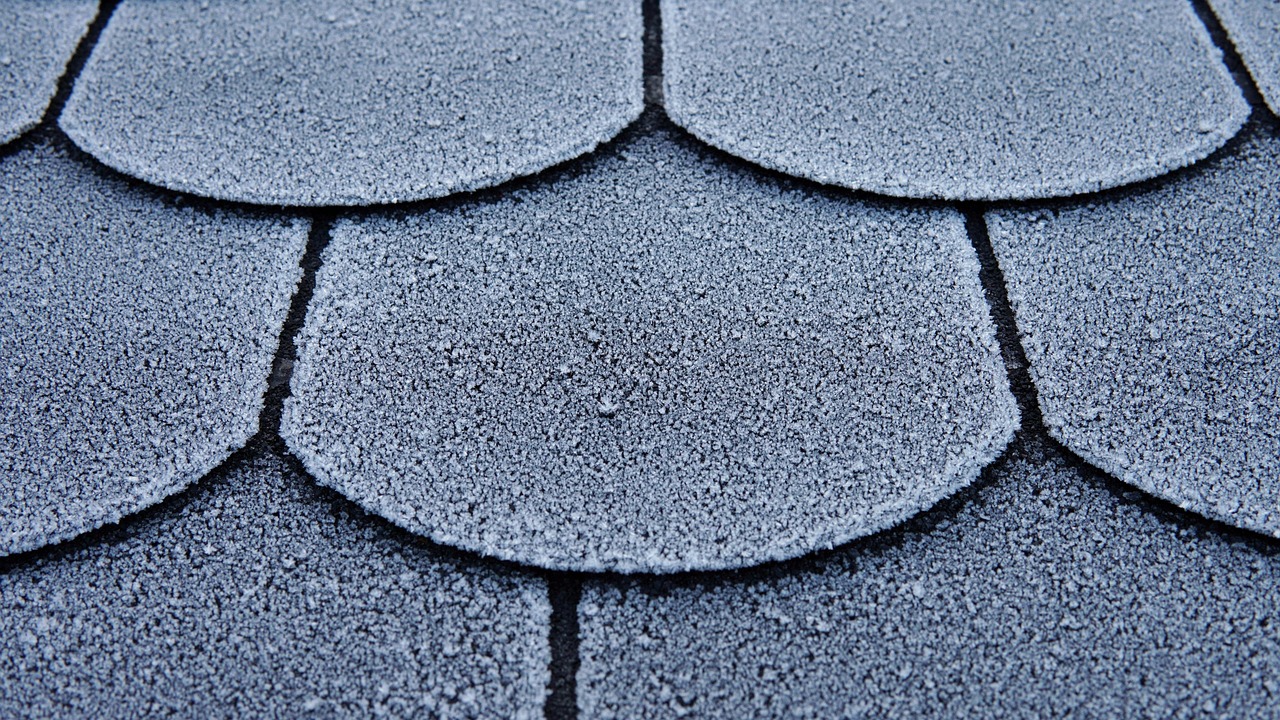
The environmental impact of roofing materials in Tampa is a significant consideration for homeowners and roofing experts alike. For energy efficiency, the choice of shingles can play a crucial role in a Tampa home's overall energy consumption. In this city, where temperatures can reach extreme highs, selecting the right roofing material can help regulate indoor temperatures, potentially reducing cooling costs.
Asphalt shingles, a common choice for Tampa homes, offer a cost-effective solution with a lower environmental impact compared to other materials. They are lightweight, easy to install, and have excellent insulation properties. This makes them an energy-efficient option, as they help keep heat out during summer months, reducing the load on air conditioning systems. Asphalt is a recyclable material, and many manufacturers use recycled content in their products, further minimizing the environmental footprint of Tampa shingle roofing.
However, not all roofing projects in Tampa involve new installations. Many homeowners opt for roof repair vs. Replacement, and this is where experts play a vital role. Before deciding on a repair or replacement, roofing professionals can assess the condition of the existing shingles and offer guidance on energy-saving options. They might recommend sealing leaks or adding reflective coatings to existing shingles, providing an affordable and eco-friendly alternative to complete replacement. By preparing for roof installations and repairs with energy efficiency in mind, Tampa homeowners can contribute to a more sustainable environment while ensuring their properties remain well-protected.
Case Studies: Successful Green Roof Transformations in Tampa
In Tampa, the transition to green roofing has been a successful story, with many residential properties adopting eco-friendly shingle roofing solutions. Case studies of Tampa homeowners have shown remarkable results, demonstrating the environmental and financial benefits of choosing the right materials and professionals. This shift not only minimizes the carbon footprint but also reduces the overall environmental impact associated with traditional roofing materials.
One of the key factors in these successful transformations is the expertise of professional and trusted Tampa roofers. These experts are well-versed in the latest eco-friendly shingle roof types available in the market. They understand the specific challenges posed by Tampa's unique climate, such as intense summers and occasional storms. By selecting the appropriate materials-like energy-efficient, durable asphalt shingles or reflective metal roofs-they ensure that the green roofs are designed to withstand the elements while providing long-term benefits. A local roofer in Tampa has been praised for their work on a historic home, replacing old, damaged shingles with a modern, reflective metal roof, enhancing both the building's energy efficiency and its aesthetic appeal.
However, as with any industry, Tampa residents must be vigilant in spotting fake roofers. With the growing popularity of green roofing, unscrupulous contractors may claim expertise in this field. To avoid such situations, homeowners are advised to verify the credentials and reputation of roofing services. Reputable professionals will be licensed, insured, and have a proven track record of successful green roofing projects. They should also be able to provide references and examples of their work, as seen in a recent case where a Tampa homeowner shared their experience with a local, licensed roofer who delivered an outstanding, eco-friendly shingle roof replacement, setting a benchmark for sustainability and quality in the area.
By embracing green roofing, Tampa residents can contribute to the city's overall environmental health and enjoy the long-term benefits of energy savings and reduced maintenance. These case studies serve as a sign of the positive impact of professional, trusted Tampa shingle roofing services.
Community Impact: Shingle Roofing's Role in Tampa's Green Initiatives
The environmental impact of roofing materials is a growing concern for Tampa communities. In an effort to create a greener city, Tampa has embraced initiatives that promote sustainable building practices, and Tampa shingle roofing matters in these efforts. Asphalt shingles, a common choice for Tampa homes, have long been known for their environmental benefits. They are recyclable, requiring less energy to produce than other roofing materials, and have a lower carbon footprint. Many Tampa homeowners opt for energy-efficient shingles, which can further reduce energy costs and decrease the overall environmental impact of their properties.
When considering Tampa storm repairs and replacements, professional and trusted local roofers recommend prioritizing eco-friendly options. According to industry experts, choosing the right shingle type can contribute to Tampa's green initiatives. Shingle roofs are long-lasting and durable, reducing the need for frequent replacements. For emergency roof repairs after Tampa storms, efficient materials and methods can minimize construction waste and the energy required to rebuild. Trusted Tampa roofers often emphasize the importance of proper installation and maintenance to extend the lifespan of these materials, further aligning with the city's sustainability goals.
Local building codes in Tampa also encourage the use of environmentally conscious roofing solutions. These codes promote the adoption of materials that not only protect homes but also preserve the city's natural resources. By embracing these standards, Tampa homeowners can contribute to a collective effort to make the city greener. Many roofing services in the near me Tampa area offer affordable, eco-friendly options, ensuring that cost-effective roofing doesn't come at the expense of sustainability. This balanced approach allows Tampa residents to protect their properties while actively participating in the city's green initiatives.
Frequently Asked Questions About The Environmental Impact of Shingle Roofing Materials in Tampa
What is the environmental impact of shingles in Tampa?
Shingle roofing materials in Tampa, while offering durability and aesthetic appeal, carry environmental consequences. The primary concerns revolve around resource extraction for raw materials like asphalt and mineral granules, as well as the product's end-of-life disposal. Shingles, when not recycled, often end up in landfills, contributing to waste. Tampa's warm, humid climate can also accelerate shingle deterioration, requiring more frequent replacement.
Are there eco-friendly alternatives to traditional shingles?
Absolutely. Alternatives like metal roofing, tile, and plant-based shingles (made from recycled materials or natural fibers) offer more sustainable options. Metal roofing, for instance, is highly durable, recyclable, and has a lower carbon footprint associated with production. Plant-based shingles contribute to carbon sequestration while providing a more visually appealing and eco-conscious option.
How does the local climate affect the lifespan of shingles?
Tampa's hot, humid climate can accelerate the aging process of shingles. UV radiation and moisture contribute to cracking, fading, and early degradation. This means shingles in Tampa may need to be replaced more frequently than in drier climates, increasing the environmental impact of repeated installations and disposal.
Are shingles recyclable?
Shingles can be recycled, but Tampa's recycling infrastructure plays a crucial role. Many recycling centers accept shingles, but not all. It's important to check with your local recycling facility for specific guidelines. Proper recycling ensures that shingles are repurposed or responsibly disposed of, mitigating environmental harm.
What is the role of a professional contractor in sustainable roofing?
A professional contractor in Tampa can significantly contribute to sustainable roofing practices. They can advise on eco-friendly materials, ensure proper installation leading to longer shingle lifespans, and facilitate responsible disposal or recycling of old shingles. Their expertise helps homeowners make informed choices that balance durability, aesthetics, and environmental responsibility.
The environmental impact of shingle roofing materials in Tampa is a multifaceted issue that requires a holistic approach. By evaluating different shingle styles, understanding the local climate's effects, and conducting a life cycle assessment, Tampa homeowners and roofing experts can make informed decisions. The article highlights the importance of sustainable practices during installation, effective waste management, and energy efficiency. Case studies demonstrate successful green roof transformations, showcasing the positive community impact of these initiatives. Moving forward, Tampa's roofing industry can embrace these practices to contribute to the city's green initiatives, ensuring a more sustainable future for its roofing materials.
Tampa homeowners can significantly impact their homes' environmental footprint by evaluating shingle roofing options. Local climate considerations, including heat and humidity, guide the choice between common asphalt shingles, recyclable metal roofs, and other materials. Efficient disposal and recycling programs, along with energy-saving properties, make Tampa shingle roofing a sustainable choice. Professional, licensed roofers play a vital role in promoting green roofing, offering advice on material selection, installation, and maintenance to extend roof lifespans and minimize waste. Tampa's commitment to sustainable building practices encourages residents to make environmentally conscious decisions regarding their roofing, contributing to a greener city.