
In Tampa, where hot summers and occasional storms challenge every home's roof, proper ventilation is a crucial yet often overlooked aspect of roofing. For Tampa homeowners, understanding the role of shingle roof ventilation can make a significant difference in the longevity and performance of their roofs.
The problem lies in that many people don't realize the potential consequences of poor ventilation. Excessive heat can lead to shingles drying out and curling, while trapped moisture can cause rot and mold. These issues can result in costly repairs or even total replacement for the unsuspecting Tampa homeowner.
Fortunately, a solution exists. Adequate shingle roof ventilation, when properly installed and maintained, can mitigate these issues, ensuring your Tampa shingle roofing endures for years to come. In this article, we'll examine the specifics, offering valuable insights tailored to Tampa's unique climate.
- Understanding Tampa's Unique Climatic Challenges
- The Role of Roof Ventilation in Hot, Humid Environments
- Shingle Roof Ventilation: A Key to Home Comfort
- How Ventilation Improves Shingle Lifespan in Tampa
- Natural Ventilation Strategies for Effective Shingle Roofing
- Common Ventilation Mistakes to Avoid in Tampa's Climate
- Choosing the Right Ventilation System for Tampa Homes
- Expert Tips for Optimal Shingle Roof Ventilation in Tampa
Understanding Tampa's Unique Climatic Challenges
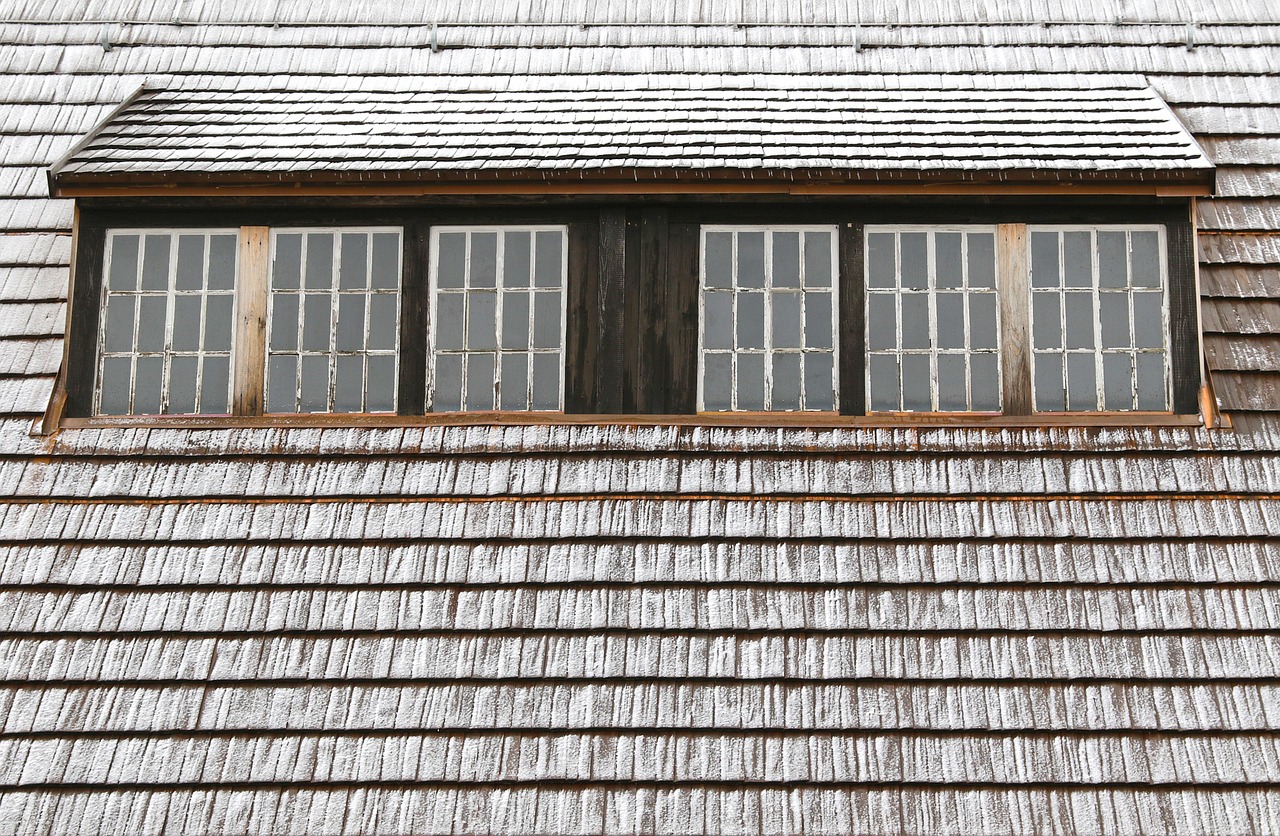
Tampa's unique climate presents specific challenges for those responsible for maintaining and repairing shingle roofs. The region's hot, humid summers and occasional severe storms create a demanding environment for roofing materials. Understanding these climatic factors is crucial when considering the long-term performance and safety of a shingle roof.
The intense sunlight and high humidity can accelerate the breakdown of asphalt shingles, leading to increased granule loss and potential weakness. Strong winds from tropical storms and hurricanes can also cause significant damage, particularly if roofs are not properly secured or maintained. Near me in Tampa, where roof repairs are a common occurrence, homeowners must prioritize ventilation as a key component of roofing maintenance. Adequate ventilation helps regulate roof temperature, reducing the impact of intense Florida sunshine and minimizing the risk of heat-related damage to shingles.
Roofing code compliance in Tampa is not just about safety; it's also about ensuring the longevity of your roof. Local building codes often include specific requirements for ventilation, and ignoring these can lead to structural problems down the line. Proper ventilation prevents excessive moisture buildup, which can cause mold, mildew, and wood rot. By addressing these issues, Tampa homeowners can avoid costly repairs and the potential health hazards associated with poor indoor air quality. When considering a new roof or repairs, consult with roofing experts who understand Tampa's climate and can provide expert advice tailored to your specific needs.
The Role of Roof Ventilation in Hot, Humid Environments
In Tampa's hot, humid climate, proper shingle roof ventilation is crucial for maintaining your home's comfort and protecting against costly damage. Unlike colder climates where proper ventilation helps warm air escape, hot environments like Tampa require a different approach. The goal shifts to preventing excessive heat build-up beneath the shingles, which can lead to a range of issues, from early material degradation to dangerous moisture buildup.
The role of roof ventilation in Tampa shingle roofing is multi-faceted. First, it helps to alleviate pressure on the roofing structure itself. High temperatures can cause materials to expand, putting additional strain on nails and underlayment. Adequate ventilation eases this pressure, prolonging the life of your roof. Ventilation plays a critical role in moisture management. Warm, humid air trapped under the shingles can lead to condensation, creating the perfect breeding ground for mold and mildew. This not only poses health risks for Tampa homeowners but can also weaken the structural integrity of your roof. Well-placed vents allow hot, moist air to escape, preventing these detrimental effects.
When preparing for a roof installation or considering shingle roof repairs in Tampa, remember the importance of proper ventilation. Customer reviews consistently highlight the importance of asking contractors about ventilation strategies. A roofing expert will assess your specific needs based on your home's design, orientation, and local weather patterns. They might recommend ridge vents, which are strategically placed at the peak of the roof, or soffit vents, which are installed in the eaves, to create a continuous flow of air. By prioritizing ventilation, Tampa homeowners can enjoy a more comfortable, energy-efficient home while ensuring the longevity of their investment in their roofing system.
Shingle Roof Ventilation: A Key to Home Comfort
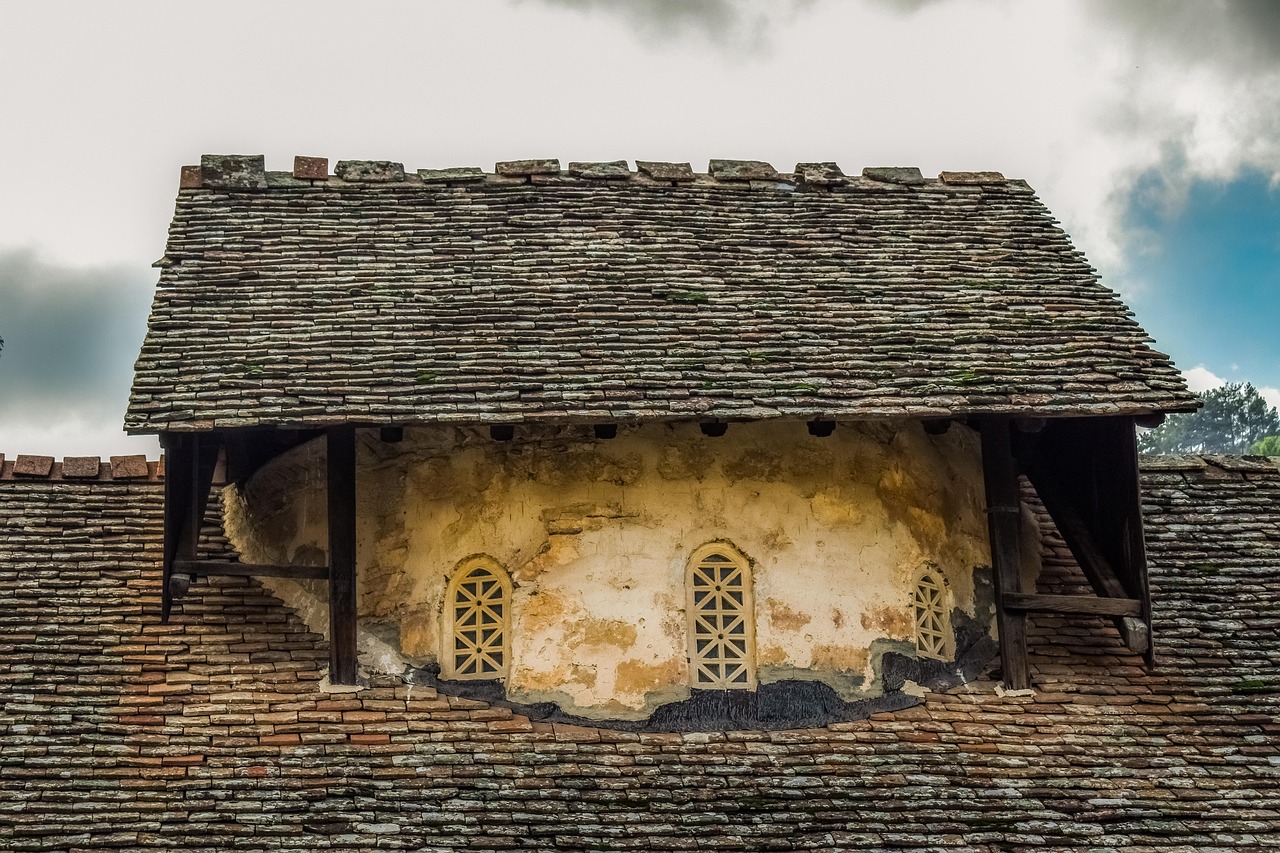
Shingle roof ventilation is a critical yet often overlooked aspect of Tampa roofing. In our region's unique climate, where temperatures can soar and humidity is high, proper ventilation plays a pivotal role in maintaining the comfort and longevity of your home. Tampa shingle roofing experts understand that this isn't just about keeping the sun at bay; it's about managing interior heat, moisture, and air quality.
Ventilated roofs allow for the efficient escape of hot, moist air, preventing buildup that can lead to rot, mold, and other damage. This is especially important in Tampa, where intense summer heat and storms are common. By incorporating vents and ensuring adequate airflow, local licensed roofers can significantly improve energy efficiency. A well-ventilated roof reduces the need for excessive air conditioning, saving Tampa homeowners on energy bills. Proper ventilation extends the lifespan of your roofing material. Whether opting for traditional asphalt shingles or exploring energy-efficient options, ventilation should be a top consideration.
Tampa metal roofs, known for their durability, can benefit from specific ventilation strategies. Metal is an excellent barrier against the elements, but it also conducts heat, potentially causing excessive interior warmth. Installing powered vents or ridge vents can mitigate this effect, ensuring a comfortable living space. This is particularly crucial during the summer months when Tampa's heat can be intense. By addressing ventilation needs, homeowners can enjoy a more balanced interior environment, enhancing overall comfort and reducing the strain on cooling systems.
How Ventilation Improves Shingle Lifespan in Tampa

Shingle roof ventilation plays a crucial role in maintaining the lifespan and overall health of your Tampa shingle roofing system, particularly in the region's unique climate. The Tampa Bay area, with its hot and humid summers and occasional severe storms, presents specific challenges for roof ventilation. Effective ventilation helps regulate roof temperatures, reduces moisture buildup, and minimizes the risk of damage, ensuring your roof performs optimally for years to come.
In Tampa, where temperatures can soar, proper ventilation prevents heat buildup, which is a common issue with poorly ventilated roofs. Excessive heat can cause shingles to deteriorate faster, leading to premature cracking and blisters. By allowing hot air to escape, ventilation systems keep the roof at an optimal temperature, extending the life of the shingles. This is especially important in a climate like Tampa's, where direct sunlight and heat can accelerate the aging process of roofing materials.
Certified Tampa shingle experts recommend incorporating ventilation strategies into your roof design for several reasons. First, it aids in drying out the roof deck and underlayment after rainfall or irrigation, preventing mold and mildew growth. Second, it reduces the risk of wind damage during storms, as a well-ventilated roof is less susceptible to lifting and potential blow-offs. Many reliable Tampa roofing contractors offer same-day roof installation services, but prioritizing adequate ventilation ensures a more durable and long-lasting roof. Adding ridge vents or power vents, which are commonly used in Tampa shingle roofing, can create a continuous flow of fresh air, enhancing overall roof performance.
Natural Ventilation Strategies for Effective Shingle Roofing
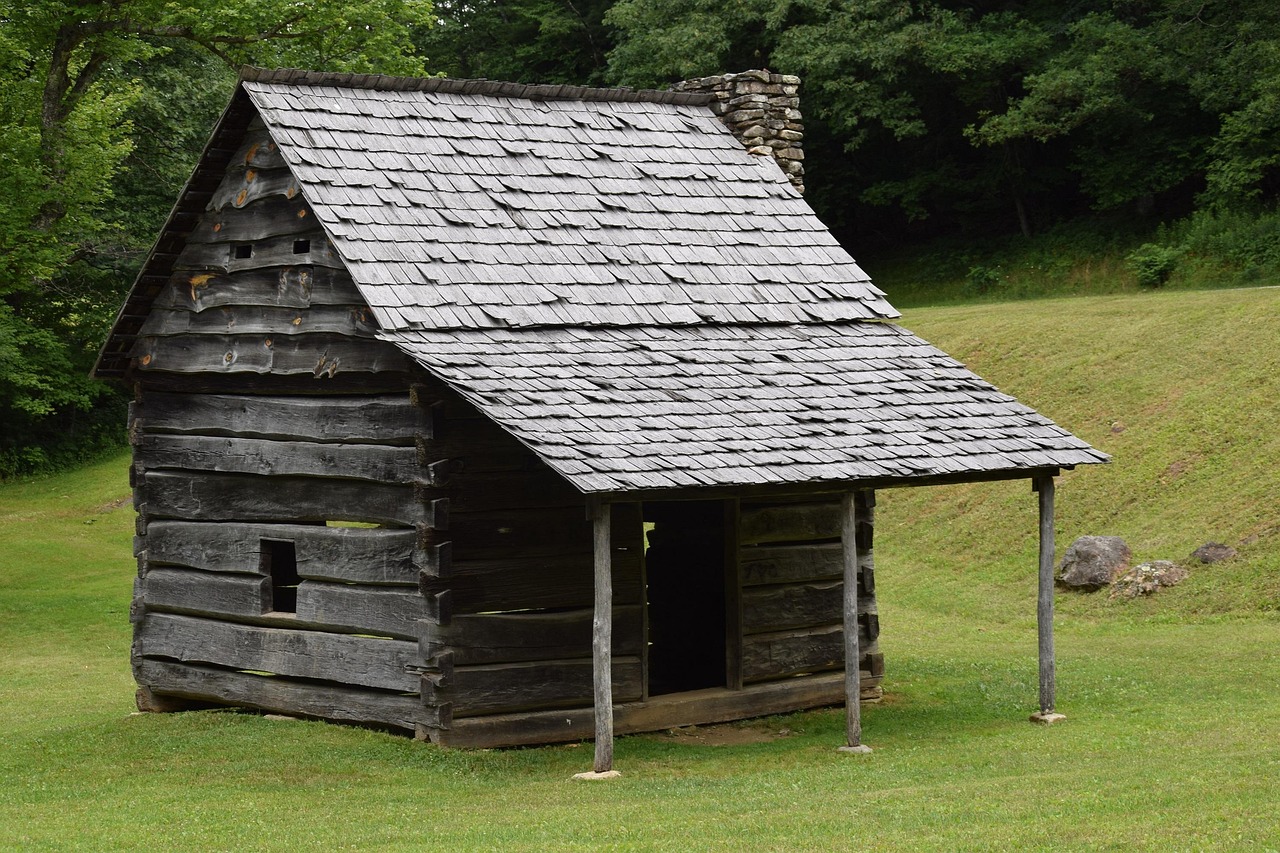
In Tampa's warm, humid climate, effective shingle roofing goes beyond mere protection from the elements. Proper ventilation plays a crucial role in maintaining the longevity and performance of your roof, ensuring it stands strong against the region's unique challenges. Natural ventilation strategies, when incorporated into the design and installation, offer a sustainable and cost-effective solution for Tampa shingle roofing.
The goal is to facilitate air movement across the roof's surface, reducing heat build-up and minimizing moisture accumulation. This is especially important in Tampa, where intense summer heat and occasional storms can contribute to rapid deterioration of shingles. One effective method is to install vents along the roof's ridge line, allowing hot air to escape while drawing in cooler, dry air from the bottom. This natural convection helps regulate roof temperatures, preventing excessive stress on the shingles. A well-ventilated roof can delay the onset of aging and damage caused by heat, reducing the need for premature repairs or replacements.
When considering the best Tampa shingle roofers, many experts emphasize the importance of proper ventilation. Not only does it enhance roof safety tips for Tampa homeowners, but it also ensures compliance with local roofing code standards. Effective ventilation can extend the lifespan of your roof by as much as 20%, providing a cost-effective return on investment. By adopting natural ventilation strategies, Tampa residents can achieve a more comfortable and durable living environment without sacrificing aesthetics or budget.
Common Ventilation Mistakes to Avoid in Tampa's Climate
In Tampa's humid, subtropical climate, proper shingle roof ventilation is crucial to prevent common roofing issues. While many homeowners understand the importance of airflow, spotting fake roofers in Tampa or choosing the wrong contractor can lead to inadequate ventilation systems. Certified Tampa shingle experts recommend several strategies to ensure optimal airflow, which is essential for protecting your investment in Tampa shingle roofing.
One of the most significant mistakes to avoid is neglecting ventilation in the design phase. Many Tampa homeowners focus on the aesthetics of their roofs, choosing styles like asphalt shingles or metal roofs, but overlook the intricate details of ventilation. This oversight can result in a poorly ventilated roof, making the shingle material more susceptible to damage from heat, moisture, and wind. Without proper ventilation, asphalt shingles can overheat in the summer, leading to a phenomenon known as "shingling," where the shingles become weak and brittle.
Another common mistake is improper placement of ventilation components. Certified Tampa shingle experts suggest installing vents at the ridge, soffits, and valleys of the roof to create a continuous airflow path. Blocking or misplacing vents can hinder the natural flow of air, creating pockets of stagnant, humid air that contribute to rot, mold, and mildew. By contrast, well-placed vents allow for a balanced air circulation, keeping the roof surface dry and extending the lifespan of the shingles. A strategically positioned ridge vent can help expel hot air, while soffit vents below allow for the intake of fresh, cool air.
Choosing the Right Ventilation System for Tampa Homes
In Tampa, where the climate is characterized by high humidity and frequent storms, proper shingle roof ventilation is not just an option-it's a necessity. For Tampa homeowners, understanding the importance of adequate ventilation and selecting the right ventilation system can make a significant difference in the performance and longevity of their roofs. The right ventilation allows air to flow freely through the roof deck, reducing heat build-up, minimizing moisture accumulation, and preventing costly damage from mold and rot.
Choosing the right ventilation system for Tampa homes involves considering several factors. First, it's crucial to understand the different shingle roof types common in the region, such as asphalt shingles and metal roofs. Each has unique ventilation requirements. Asphalt shingles, which are the most popular in Tampa, benefit from soffit and ridge ventilation to expel hot air and draw in fresh air, respectively. Certified Tampa shingle experts recommend installing ventilation that works with the natural flow of air to maximize efficiency. This means strategically placing vents in the soffits, fascias, and ridges of the roof to ensure optimal air circulation.
Safety is another key consideration. According to Tampa building codes, roof ventilation systems must be installed by certified professionals to ensure compliance and safety. Tampa homeowners should look for signs of improper ventilation, such as excessive moisture buildup or mold growth, and address them promptly. Regular roof inspections and maintenance can help catch issues early, saving Tampa homeowners from costly repairs. A well-ventilated roof can prevent the build-up of hot spots, which can lead to shingles curling, cracking, or even blowing off during storms. By prioritizing the right ventilation system, Tampa homeowners can protect their investments and maintain the integrity of their roofs, ensuring peace of mind in this unpredictable climate.
Expert Tips for Optimal Shingle Roof Ventilation in Tampa

In Tampa's humid subtropical climate, proper shingle roof ventilation is more than just a good practice-it's a necessity. Effective ventilation helps regulate roof temperatures, reducing the risk of damage from extreme heat and cold. It also minimizes moisture buildup, a significant concern in our region, as excess moisture can lead to mold, mildew, and structural issues. For expert tips for optimal shingle roof ventilation in Tampa, the focus is on creating a balanced air flow.
One of the most effective strategies is to ensure adequate vents at both the roof's ridge and valleys. Most roofing experts in Tampa recommend installing ridge vents along the peak of the roof, while valley vents are placed in the lower sections. This dual ventilation system allows for a continuous flow of air, preventing hot air from becoming trapped under the shingles. A top-rated Tampa roofing service might suggest adding a 4-inch ridge vent every 12 feet and a 3-inch valley vent at the peak of every 3 feet. This simple yet powerful technique can significantly extend the life of your Tampa shingle roofing.
Experts emphasize the importance of checking and cleaning vents regularly. Debris like leaves, branches, or even nestings can obstruct airflow, so seasonal maintenance is crucial. Consider it a part of your shingle roof maintenance Tampa routine. By keeping vents clear, you ensure that air can freely circulate, preventing the aforementioned moisture problems. During Tampa's rainy seasons, a well-maintained ventilation system can help dry out the roof after a storm, reducing the risk of water damage. This proactive approach, combined with affordable Tampa shingle roofing options, can provide peace of mind and protect your home's most valuable asset.
Frequently Asked Questions About Shingle Roof Ventilation: Why It Matters in Tampa's Climate
What is shingle roof ventilation and why is it important? Shingle roof ventilation is the process of allowing air to flow through the space between the roof decking and shingles. It's crucial in Tampa's hot, humid climate because it helps regulate roof temperatures, reduces the load on air conditioning, prevents excessive moisture buildup, and prolongs the life of the roofing materials by minimizing heat-related damage.
How does roof ventilation affect energy efficiency? Adequate ventilation can lower roof temperatures by as much as 40F (22C), which in turn reduces the amount of energy needed to cool your home. This translates to lower utility bills and less wear and tear on your air conditioning system.
What are the signs that my roof needs better ventilation? If you notice excessive sweating on your roof, early degradation of shingles, or high energy bills, these could be indicators of inadequate ventilation. High humidity levels and the warm Tampa climate can exacerbate these issues, making proper ventilation even more critical.
Can ventilation affect the lifespan of my shingles? Absolutely. Proper ventilation allows shingles to dry quickly after rain or humidity, preventing mold, mildew, and rot that can compromise their integrity. This, in turn, extends the overall lifespan of your roofing materials.
What are the different types of roof ventilation systems available? There are two main types: soffit ventilation, which pulls air from the eaves, and ridge ventilation, which expels air from the peak of the roof. Both systems work best when combined and designed according to the specific needs and layout of your roof.
How do I know if my ventilation system is installed correctly? A qualified roofing professional should install your ventilation system to ensure it's functional and aligned with local building codes. Look for signs of proper installation, such as vent openings that aren't blocked and vents that are secure and sealed tightly to the roof.
Should I maintain my roof ventilation system regularly? Yes, periodic cleaning and inspection are essential. Debris buildup can obstruct airflow, so it's important to clear the vents of leaves, branches, and other debris. Also, check for any signs of damage or disintegration that might require repairs or replacement.
As Tampa's climate brings unique challenges with its hot, humid summers, proper shingle roof ventilation becomes essential for both home comfort and roof longevity. This article has explored the critical role that ventilation plays in a region like Tampa Bay. By understanding the impact of local weather conditions, homeowners and roofing experts can make informed decisions to mitigate potential issues.
The key takeaways are clear: effective ventilation systems extend the lifespan of shingles, enhancing the overall durability of Tampa shingle roofing. By implementing natural ventilation strategies and avoiding common mistakes, property owners can ensure their roofs remain in top condition. Choosing the right ventilation system tailored to Tampa's climate is a crucial first step.
Moving forward, Tampa homeowners should prioritize regular maintenance and consult with roofing professionals to optimize their shingle roof ventilation. This proactive approach will not only protect against costly repairs but also contribute to the overall energy efficiency and comfort of their homes.
In Tampa's humid climate, proper shingle roof ventilation is crucial for maintaining comfort and protecting against damage. It alleviates pressure from high temperatures, prevents moisture buildup, and extends the lifespan of roofs. Expert tips emphasize balanced airflow through ridge and valley vents, regular maintenance to keep vents clear, and compliance with local building codes. Ignoring these factors can lead to costly repairs and health hazards. Consult with certified Tampa roofing experts for tailored ventilation solutions.